

Microsoft Edge

 (67 votes, average: 4.19 out of 5)
About Microsoft Edge
Type a web address into the omnibox and Microsoft Edge does what every Chromium browser does, just faster than the one it ships next to in most people’s minds. The browser is built on the same Chromium engine that powers Chrome, so sites render identically and nearly every Chrome extension installs without complaint. What sets Microsoft Edge apart is the layer stacked on top: a productivity kit aimed at people who keep thirty tabs open and a study buddy who refuses to close any of them.
That layer has grown a lot. Microsoft Edge now folds Copilot directly into the act of browsing, reasons across your open tabs when you ask it to, and bundles vertical tabs, Collections, Workspaces, and a reading-friendly PDF viewer into one window.
Whether all of that helps or just gets in the way depends a lot on how you browse, and we will get to the parts that grate.
Tab management that actually scales
If you are the kind of person whose tab strip turns into a row of indistinguishable favicons by lunchtime, Microsoft Edge has the strongest answer among mainstream browsers. Vertical tabs move the whole strip to the left edge, where titles stay readable no matter how many you pile on. You can collapse the panel to icons when you need screen real estate and flick it back open with a click. It is the single feature most likely to convert a Chrome holdout, and Chrome still does not match it natively.
Then there is sleeping tabs, which puts background tabs to sleep after two hours of inactivity to free up memory and CPU for whatever you are actually looking at. Sleeping tabs fade visually so you can tell at a glance which ones have been parked, and clicking one wakes it instantly. You can shorten that two-hour window in the system settings if you want tabs napping sooner.
Paired with Efficiency Mode, which throttles background activity when you are on battery, the browser does a noticeably better job of keeping RAM in check than a stock Chrome install with the same tabs open.
Collections, Workspaces, and saving your research
Collections is a side panel where you drag pages, images, and snippets of text to build a running list around a topic. Planning a trip, comparing laptops, gathering sources for an essay, that sort of thing. You can add your own notes between saved items and export the whole pile to Excel or Word when you are done, which is handier than it sounds if you have ever tried to reconstruct a shopping shortlist from forty open tabs.
Workspaces takes the idea further by letting a group of tabs live as a named, shareable set. Open a Workspace and you get exactly the tabs that belong to that project, separate from your personal browsing. It overlaps a little with what dedicated tab and session managers offer, and Vivaldi arguably gives power users more granular control, but for most people the built-in version covers the need without an add-on.
Built-in PDF reading and markup
Microsoft Edge doubles as a competent PDF reader, which quietly saves a lot of people from installing anything extra. You can highlight text, draw freehand, add typed notes, and use the read-aloud voice to have a document read back to you. It will not replace a full editor like Foxit PDF Reader for form filling or heavy annotation, and the markup tools are basic next to a tool like PDF-XChange Editor. But for skimming a contract or marking up a single page before sending it back, the browser handles it without a second program loading in the background.
The Copilot question
Here is where opinions split, including ours. Microsoft Edge has woven Copilot into the browser to the point where it no longer feels like an optional side panel. With your permission, Copilot can read across your open tabs and answer questions that pull from several of them at once, compare specs, summarize a long page, draft text where you are typing, or turn an article into a quick set of study questions. Journeys, which groups your past browsing into topic-based threads so you can pick research back up later, now rides along too.
When it works, multi-tab reasoning is the rare AI feature that earns its spot. Asking one question and getting an answer drawn from five product pages beats clicking between them. But the integration has crept past the point of being unobtrusive. There have been reports of typing a URL right after opening the browser and watching it land in the Copilot compose box instead of opening the page, a bug that captures the broader complaint. And you cannot fully switch the AI off.
You can toggle Copilot mode and individual features in the AI settings, but the browser still reaches for Copilot in the background. Some of the writing and study tools are also limited to the United States for now. Compared to Chrome, which tucks its Gemini integration into the title bar where it stays out of the way, Microsoft Edge assumes you want the assistant front and center.
Security and password handling
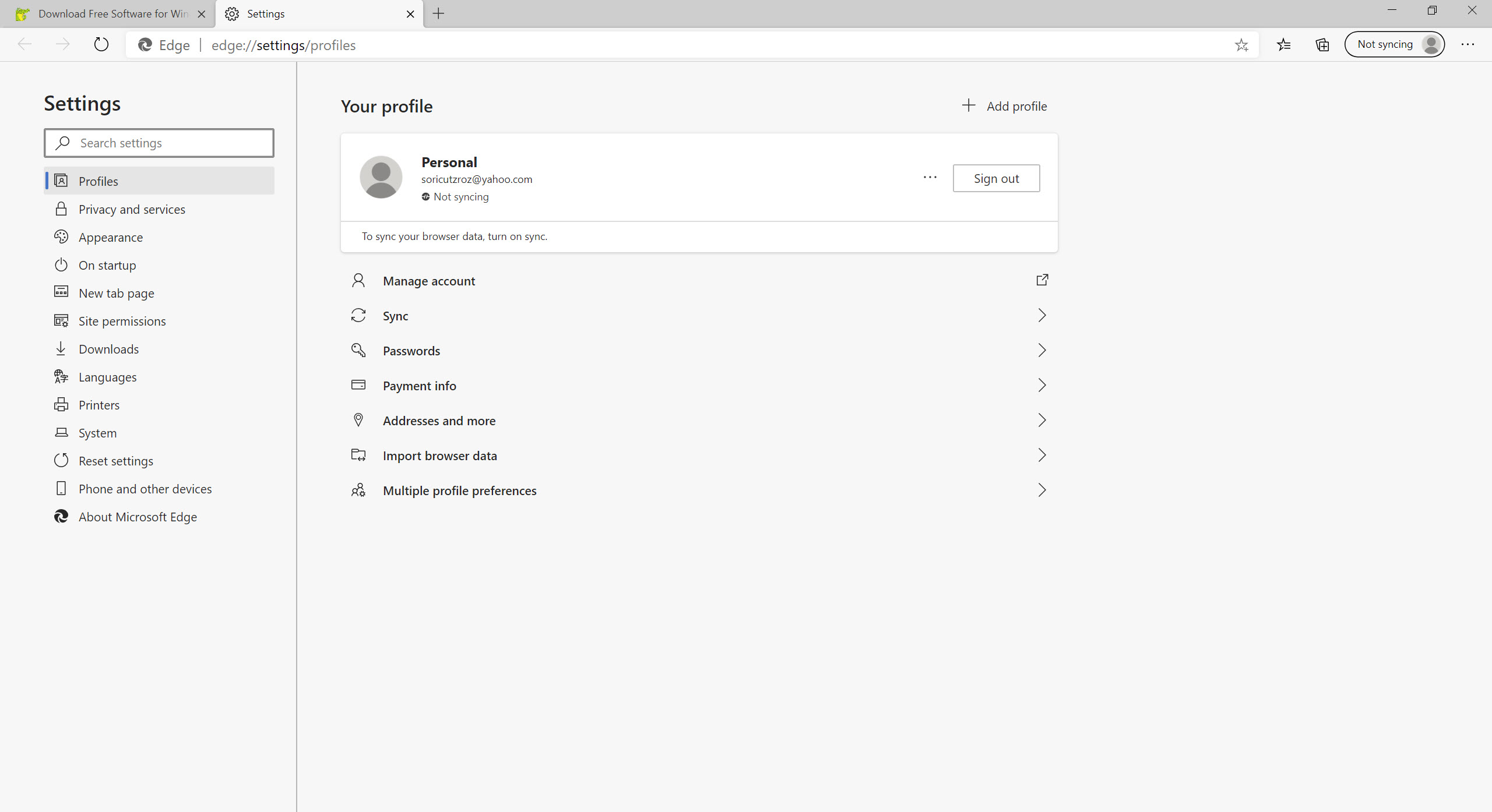
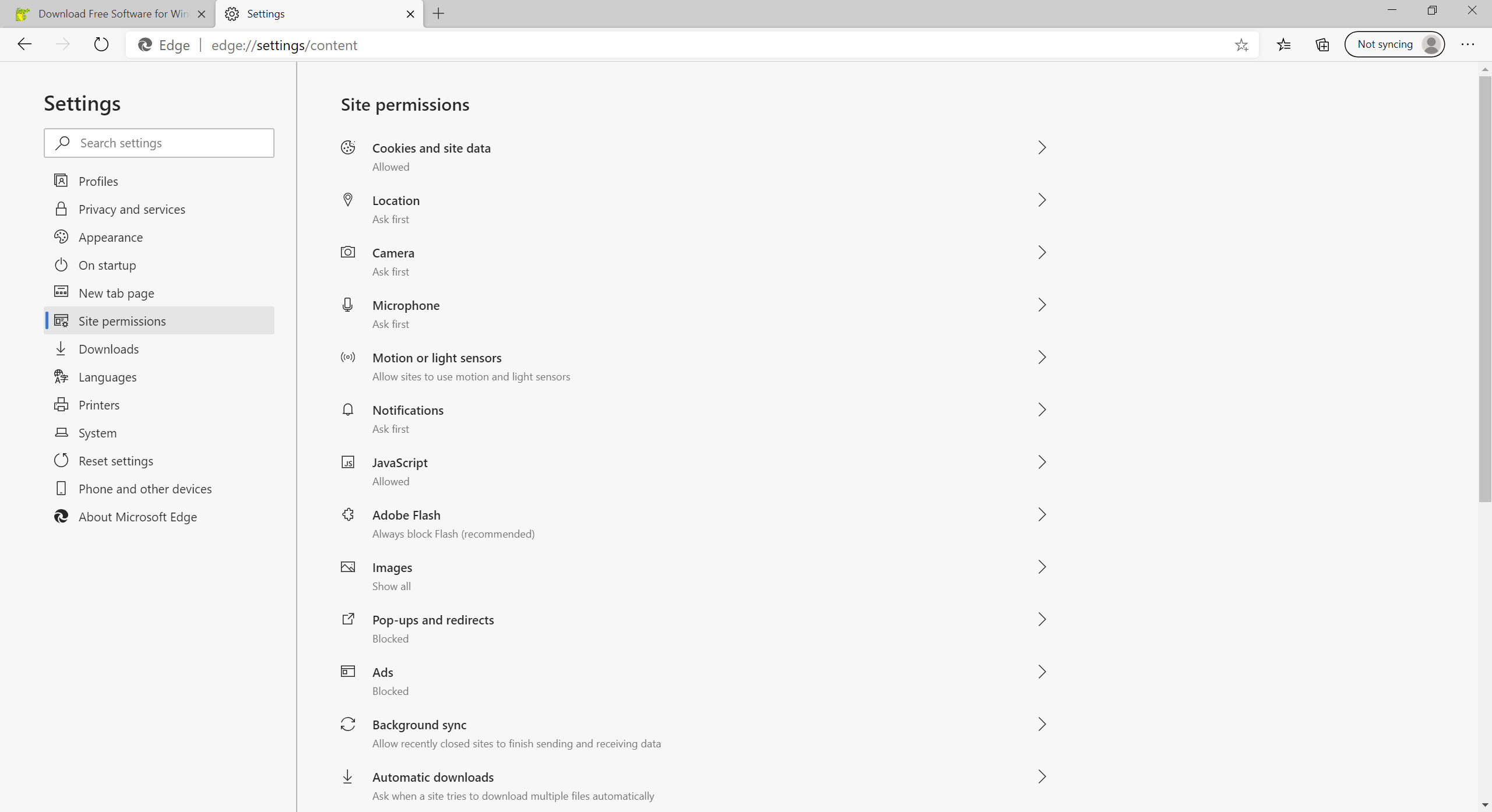
The browser includes SmartScreen for blocking known malicious sites and downloads, tracking prevention with three selectable levels, and a built-in password manager that stores credentials and warns you if any have shown up in a known breach.
The password manager is fine for casual use and syncs across your signed-in devices. Anyone serious about credential security will still prefer a dedicated vault like KeePass, which keeps your database under your own control rather than tied to a browser profile. For everyday logins, though, the bundled manager removes a lot of friction.
Conclusion
Microsoft Edge is the browser to beat if your day involves wrangling a lot of tabs and you want organization tools without hunting for extensions. Vertical tabs, sleeping tabs, Collections, and Workspaces form a genuinely useful productivity core, and the Chromium base means you give up nothing on compatibility. Researchers, students, and anyone juggling several projects at once will get the most out of it.
The catch is the AI. If you welcome an assistant reading across your tabs and drafting text inline, the deep Copilot integration is a real advantage. If you would rather your browser stay quiet, the constant presence (and the inability to fully switch it off) becomes the main reason to look at Brave or another Chromium alternative instead.
Worth a serious try, just go in knowing the assistant comes along whether you asked for it or not.
Pros & Cons
- Vertical tabs are the best implementation in any mainstream browser, and Chrome still lacks them natively
- Sleeping tabs and Efficiency Mode keep memory and CPU usage lower than a comparable Chrome session
- Collections and Workspaces give real structure to research and multi-project browsing
- Full Chromium compatibility means sites render correctly and nearly all Chrome extensions work
- Multi-tab Copilot reasoning is useful for comparison and summarizing when you opt into it
- Competent built-in PDF reader with highlighting, freehand markup, and read-aloud
- AI features are deeply embedded and cannot be fully disabled, with Copilot still active in the background
- Occasional bug where a typed URL lands in the Copilot box instead of opening the page
- Some writing and study tools are region-locked to the United States
- Frequent prompts, promotions, and defaults nudges wear on people who just want a browser
- The bundled password manager is convenient but weaker than a dedicated vault
Frequently asked questions
Yes. Because the browser runs on Chromium, the vast majority of extensions from the Chrome Web Store install and run normally, in addition to add-ons from the Edge store itself.
It depends on what you value. The application beats Chrome on tab management (vertical tabs, sleeping tabs) and built-in productivity tools, and tends to use less memory. Chrome keeps its AI assistant less intrusive and has a slightly larger extension ecosystem. For tab-heavy workflows, Edge usually wins.
Partly. You can disable Copilot mode and toggle individual features in the AI settings, but the browser still calls on Copilot in the background, so a complete shutoff is not currently possible.
Open Settings, go to Privacy, search, and services, then choose what to clear under browsing data. You can pick cached files and images specifically and set whether it clears on every exit.
Sleeping tabs pauses background tabs after two hours of inactivity (adjustable in settings) to release their memory and CPU. The tab fades to show it is asleep and wakes instantly when you click it, which keeps long browsing sessions lighter on system resources.
Yes. This software opens PDFs directly with tools for highlighting, freehand drawing, typed notes, and read-aloud playback, enough for reviewing and lightly marking up documents without a separate program.


