

MemoryCleaner
About MemoryCleaner
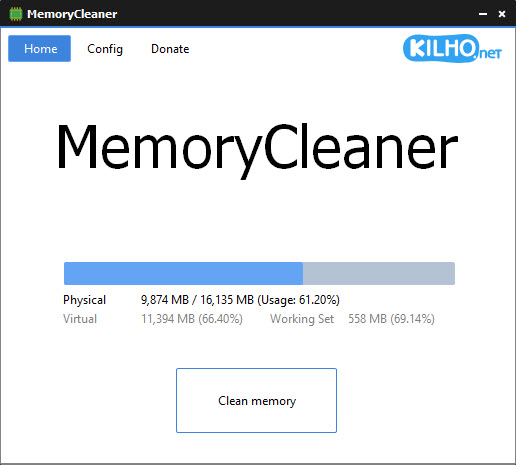
Watching memory usage sit at eighty percent makes people uneasy, and an entire category of software exists to bring that number down. MemoryCleaner belongs to it, freeing memory on demand or automatically when usage crosses a threshold you set.
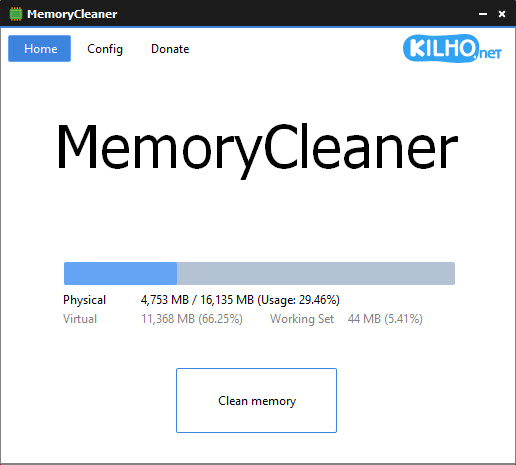
MemoryCleaner does what it says. The number falls. Whether the machine is better off afterwards is a different question, and answering it honestly requires explaining what that number actually means.
Free memory is not the goal
Here is the part that changes how to read every MemoryCleaner claim.
Memory sitting unused is memory doing nothing. The system therefore fills spare memory with copies of things recently read from disk, so that opening the same program or file again reads from memory rather than from storage. That cached content is counted as used, which is why a healthy machine shows high usage and why the figure alarms people who assume it should be low.
A machine reporting eighty percent used, with most of that being cache, is working exactly as designed. Bringing the figure to thirty percent means throwing away work already done, and the next time anything needs that content it comes from the disk again, slowly.
What the cleaning actually does
The MemoryCleaner mechanism matters because it explains the effect.
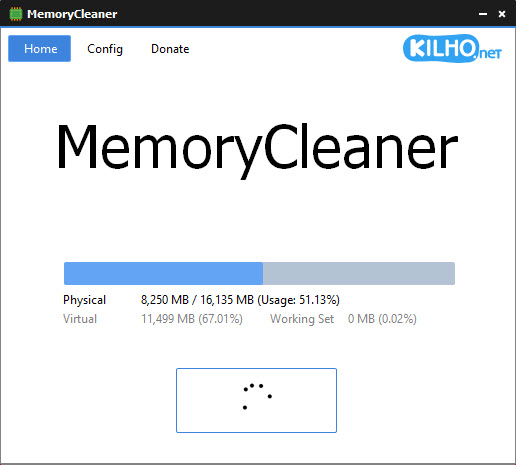
Freeing memory means telling running programs to release what they are holding, which pushes their pages out of memory and into the file on disk that stands in for it. The reported figure improves immediately, because those pages are no longer in memory.
Then the program you are using needs one of them back, and it is read from the disk. That is slower than it was before, sometimes noticeably, and it happens repeatedly as each application recovers what was taken from it.
So the visible result is a better number and a worse machine, for a period after each cleaning. On a machine with enough memory, that trade is entirely negative.
The narrow case where it helps
Two situations justify MemoryCleaner, and both are specific.
The first is a program with a memory leak, meaning one that consumes steadily and never releases. Trimming buys time before a restart becomes unavoidable, which is useful when the restart is inconvenient rather than because the trimming fixes anything.
The second is the standby list, which holds cached content the system keeps in case it is wanted again. On some machines with certain games, a large standby list has been associated with periodic stuttering, and clearing it resolves that specific symptom. That is a real effect on particular hardware rather than a general improvement.
Finding out which program is actually consuming memory is the step before either, and Process Explorer shows the working set of every process along with what it has loaded.
If you want the cleaner anyway
Anybody who has read the above and still wants one has a reasonable case, because the leak situation is real and a manual trim occasionally is harmless.
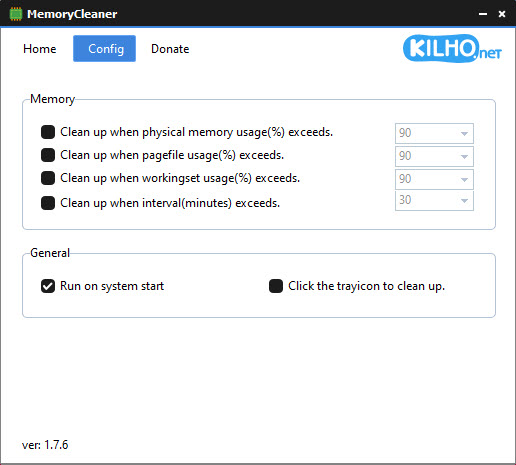
The important MemoryCleaner setting is the automatic threshold. Leaving it on means the machine repeatedly discards its cache and repeatedly reloads it, which produces exactly the sluggishness the tool claims to prevent. Manual use for a specific reason is defensible, and continuous automatic use is not.
Mem Reduct does the same job with more granular control over which memory regions are touched, which suits somebody who wants to clear the standby list specifically without disturbing everything else.
If the machine is actually short of memory, no amount of cleaning fixes it, and Speccy reports how much is installed and how many slots remain free for the upgrade that would.
Conclusion
MemoryCleaner does exactly what it promises, and what it promises is the wrong goal. Free memory is not a sign of health, high usage on a working machine is cache doing its job, and forcing programs to release what they hold means reading it back from disk shortly afterwards.
Keep it for the two situations that justify it. A leaking program you cannot restart yet, and the standby list clearing that resolves stuttering on some hardware. Leave the automatic threshold switched off, and if the machine really is short of memory, the answer is more memory rather than a program that shuffles what you have.
Pros & Cons
- Frees memory on demand, which reclaims what a leaking program is holding
- Automatic threshold available for anybody who wants it running unattended
- Clearing the standby list addresses a specific stuttering symptom on some machines
- Small and undemanding, doing one thing without a suite around it
- The freed memory was mostly cache, so discarding it makes the next access slower
- Working set trimming pushes pages to disk, which programs then read back
- Automatic cleaning produces repeated cache loss and repeated reloading
- The improved figure is the goal it achieves, rather than improved performance
- Solves nothing on a machine that is actually short of memory
Frequently asked questions
Not usually the opposite of what people expect. The memory it frees is mostly cache, and discarding cache means the next read comes from disk instead, so the period after each cleaning is slower rather than faster.
Because unused memory is wasted, so the system fills it with cached copies of recently used content. High usage on a healthy machine is correct behaviour rather than a problem to solve.
When a program is leaking and a restart is inconvenient, or when clearing the standby list resolves a specific stuttering problem on particular hardware. Both are narrow and neither is routine maintenance.
No. Continuous automatic cleaning means the cache is discarded and rebuilt repeatedly, which produces the sluggishness the tool is supposed to prevent.


