

LeapDroid


About LeapDroid
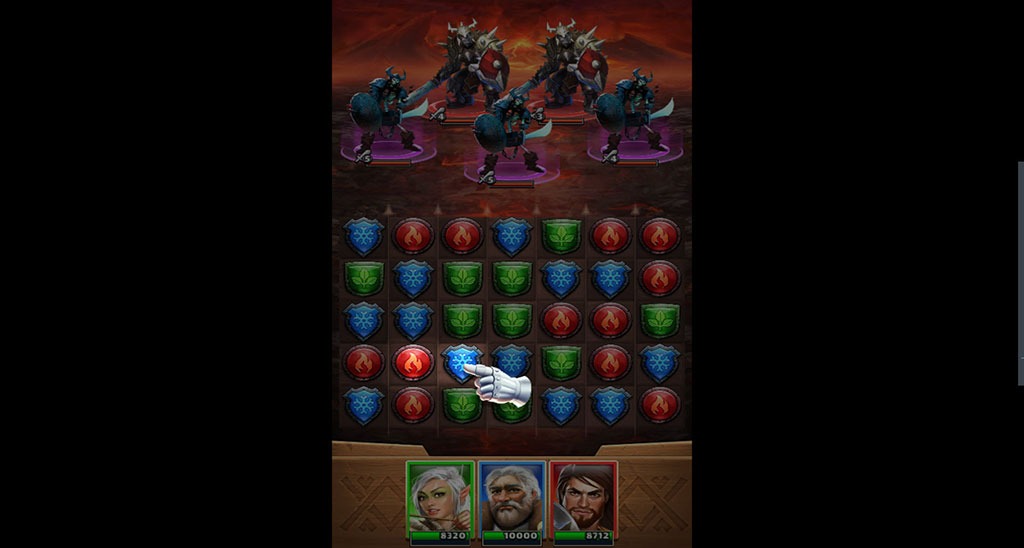
LeapDroid is an Android emulator with a single obsession, and that obsession is speed. It runs Android apps and games in a window on your desktop, like every other emulator in the category, but it built its reputation on raw performance. In benchmark comparisons it repeatedly posted higher scores than the big names, sometimes by a margin wide enough to raise eyebrows.
Games that stuttered elsewhere ran smoothly here, and the whole environment felt closer to a fast physical phone than the sluggish approximation emulators usually deliver.
The trick behind it is the virtualization layer. LeapDroid runs a full Android system inside its own virtual machine, and that machine was engineered for one job rather than adapted from general-purpose components. The result shows up where it matters most, in graphics. Hardware acceleration passes rendering work to your actual video card instead of grinding it through software, which is why demanding 3D games hold their frame rates instead of turning into slideshows.
Beyond the engine, the essentials are all present. You get keyboard mapping so touch controls translate to keys you choose, drag-and-drop APK installation, camera and microphone passthrough for apps that need them, and the ability to run two instances side by side. It’s a focused package rather than a sprawling one, and that focus is exactly the appeal.
Speed as the main selling point
Every emulator claims to be fast. LeapDroid could actually show it. In synthetic benchmarks it beat the heavyweight competition comfortably, and more importantly, the difference was obvious in ordinary use. Apps opened without the long pause you learn to tolerate elsewhere, scrolling stayed fluid, and 3D titles that pushed other emulators into stutter territory kept their composure here.
Part of that comes down to how lean the whole thing is. There’s no launcher bloated with promoted games, no advertising layer eating cycles in the background, no store of sponsored content between you and your apps.
The emulator boots, Android appears, you get to work. Compare that with the increasingly busy front ends of BlueStacks and the difference in philosophy is hard to miss. One is a platform trying to sell you things. This one is an engine.
Key mapping and playing touch games with a keyboard
Mobile games assume fingers on glass, so any serious emulator has to translate taps and swipes into keyboard and mouse. The mapping tool in LeapDroid handles this cleanly. You place virtual touch points on the screen, bind them to keys, and the game reads your keystrokes as touches exactly where you put them.
Set WASD for a movement pad, bind abilities to the keys around it, and a touch-only action game suddenly plays like it was built for a desk.
There’s a swipe binding too, which matters more than it sounds. Plenty of games lean on directional swipes, and emulators that only map taps leave those genres half-playable. Being able to assign a swipe to a key fills that gap.
If your main interest is competitive mobile gaming with deep per-title control schemes, a gaming-first option like LDPlayer ships with more prebuilt profiles, but for building your own layout quickly, this gets you there with less fuss.
Two instances, one machine
The multi-instance support is modest but genuinely useful. LeapDroid can run two separate Android environments at the same time, each in its own window. Keep two accounts of the same game signed in, test an app against two configurations, or chat in one window while a game grinds away in the other. The performance headroom from the fast engine is what makes this practical, since two instances of a heavy emulator usually bring a mid-range machine to its knees.
If your workflow needs more than two, that’s a real ceiling. Emulators like MEmu and NoxPlayer let you spin up whole farms of instances with a manager to match. Two is enough for the common cases, though, and it keeps the interface simple where the instance-farm tools get fiddly.
The honest limitations
Now for the part a fair review has to include. The Android system inside LeapDroid is an older generation, and that has consequences. Some newer apps and games check the system they’re running on and refuse to install or launch on an older base. For classic titles, lighter apps, and a huge share of the mobile catalog this never comes up, but if the newest releases are your target, you’ll hit walls the modern emulators don’t have.
Development around it has also gone quiet, so what you get is what exists, with no stream of updates adding compatibility for the latest games. And a small practical note. Like most emulators, it wants virtualization enabled in your machine’s firmware to perform at its best, so a quick settings visit may be part of setup. None of this erases the speed story.
It does mean the ideal user is someone running established apps and games rather than chasing this week’s releases, where something like GameLoop stays current for the newest titles.
Conclusion
For raw speed in an Android emulator, LeapDroid made its case better than almost anything in its class, and the experience still reflects that. Fast boots, smooth 3D performance, a clean ad-free environment, and capable key mapping add up to an emulator that respects both your hardware and your attention. The natural fit is someone who wants to run established Android games and apps on a desktop without wading through promotional clutter.
The catch is the frozen state of things. An older Android base and no updates mean the newest releases may simply refuse to cooperate, so anyone chasing current titles should look at the actively maintained alternatives. But if the apps you care about already run on it, this remains one of the quickest, least annoying ways to put Android in a window.
Pros & Cons
- Exceptional performance that outpaced the major emulators in benchmarks
- Hardware-accelerated graphics keep demanding 3D games smooth
- Clean, ad-free environment with no promoted content or launcher clutter
- Flexible key mapping including swipe bindings for gesture-heavy games
- Runs two instances at once without crushing a mid-range machine
- Built on an older Android base, so some recent apps refuse to run
- No ongoing updates to extend compatibility with new releases
- Caps out at two simultaneous instances where rivals allow many more
- Best performance requires virtualization enabled in your firmware settings
Frequently asked questions
It runs Android inside a purpose-built virtual machine and passes graphics work to your video card through hardware acceleration. Combined with the absence of ad layers and promotional launchers, more of your machine's power goes to the actual apps.
Yes. The key mapping tool lets you place touch points anywhere on screen and bind them to keys, and it also supports swipe bindings, so gesture-driven games remain playable rather than being limited to simple taps.
It runs two instances side by side, each fully independent. That covers dual accounts or testing scenarios, though it stops short of the many-instance farms some competing emulators offer.
No, and that's worth knowing upfront. Because the underlying Android base is older, some newer apps and games check for a more recent system and won't install. Established titles and lighter apps generally run without trouble.
The simplest route is drag and drop. Pull an APK file onto the emulator window and it installs directly, no extra steps, which makes loading up your library quick work.


