

HyperSpin
About HyperSpin
Most game launchers present a library. HyperSpin presents a spectacle, and the difference is the entire reason it exists and the entire reason it is hard work.
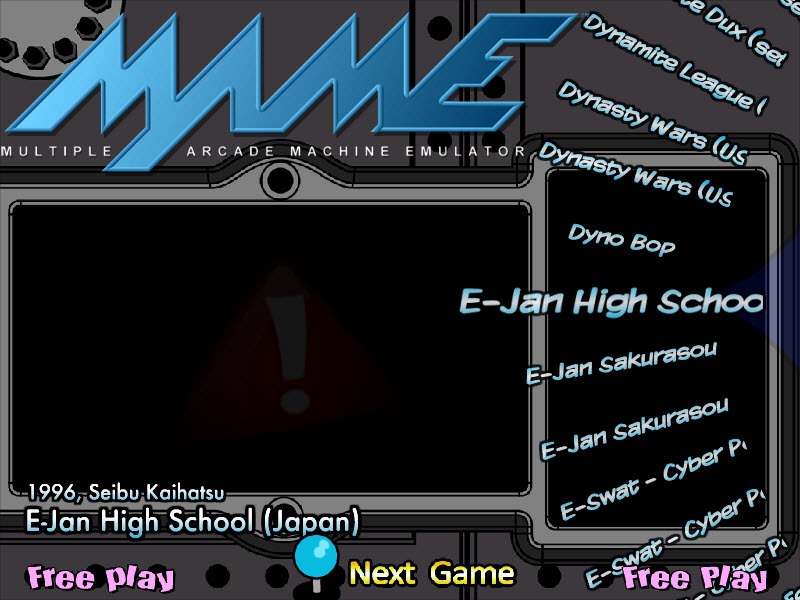
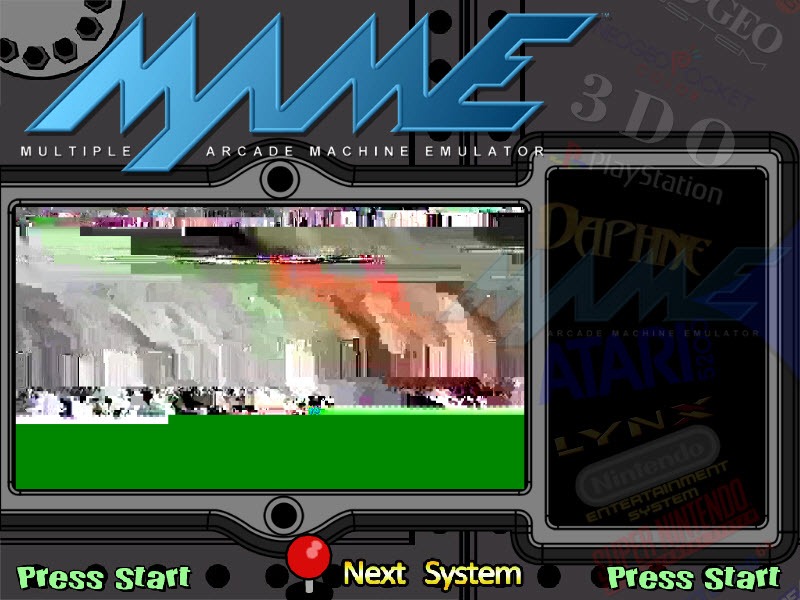
The HyperSpin interface is a wheel filling the screen, holding one system or one game at a time, spinning as you scroll. Artwork changes with each turn, a video preview of the highlighted game plays in the background, and sounds accompany the movement. Nothing else in this category looks remotely like it.
That presentation is what people build arcade cabinets around, and it is what separates this from a launcher that organises files sensibly.
It displays, and something else launches
Here is the HyperSpin fact that surprises everybody, and it should be understood before installing anything.
The wheel does not run games well by itself. Handling emulators, meaning knowing which one plays which system, passing the right settings, managing controller layouts per game and dealing with the specific quirks of individual emulators, is the job of a separate companion launcher.
So a working setup involves two programs. One provides the appearance and the navigation, the other does the actual work of starting things correctly. People who install only the first find a beautiful interface that will not reliably start anything.
For a single program that both organises a collection and launches it, LaunchBox covers the whole job and gathers artwork automatically, which is a fundamentally different proposition.
Everything visual comes from elsewhere
The HyperSpin appearance is assembled rather than provided. Themes for each system, wheel artwork for each game, background videos and system-specific layouts are all separate media, and none of it arrives with the program.
That media is community-made and obtained as separate collections, which is a great deal of downloading and organising into the folder structure the program expects. A collection covering twenty systems and several thousand games represents a substantial quantity of files and an equally substantial amount of putting them in the right places.
Anybody expecting the interface shown in videos to appear after installation will be disappointed. What appears after installation is a wheel with nothing in it.
The game lists are files you edit
HyperSpin defines each system’s contents in a list file describing which games exist and what they are called, and that file is edited directly rather than through any interface.
Configuration follows the same pattern throughout. Settings live in files, adjustments mean editing text, and there is no dialogue guiding you through anything.
That is consistent with what the program is for. Somebody building a dedicated cabinet is doing a project rather than installing an application, and files are a reasonable interface for a project. Somebody who wanted to browse their games this evening is in the wrong place.
Who it is actually for
The honest HyperSpin audience is narrow and knows itself. Somebody building an arcade cabinet, a dedicated console-style machine for a television, or a setup where the interface is part of the point rather than a means to an end.
For that person the effort is the hobby rather than an obstacle, and the result is something no other frontend achieves. Weeks of assembling artwork and editing lists produce a machine that looks like a commercial arcade product.
For everybody else, the sensible answer is a launcher that scrapes its own artwork and starts games without a second program. The interface here is clearly more impressive, and not by an amount that justifies the assembly unless the assembly is something you want to do.
Once games are running, the controller side matters too, and DS4Windows presents modern pads correctly to emulators that expect something else.
Conclusion
HyperSpin produces something no other frontend does, which is a machine that looks and feels like a commercial arcade cabinet rather than a computer with games on it. The spinning wheel, the video previews and the per-system themes are the reason people spend weeks on it.
Understand the shape of the commitment. It displays rather than launches, so a second program is required. It arrives with no artwork whatsoever, so the appearance is yours to assemble. And everything is configured in files. Approached as a project it is rewarding, and approached as an application it will feel broken.
Pros & Cons
- A full-screen animated wheel interface nothing else in this category matches
- Video previews and per-game artwork make browsing part of the experience
- Themes per system and per game allow a completely customised appearance
- Built for dedicated cabinets and television setups rather than desktop use
- Game lists and settings in editable files, which suits a deliberate project
- Needs a separate companion launcher to start emulators reliably
- No artwork, themes or videos included, so the appearance is assembled by you
- Configuration by editing files, with no guided setup anywhere
- Weeks rather than hours to reach the appearance shown in videos
- Development has been very slow for a considerable time
Frequently asked questions
Not reliably. It provides the interface and the navigation, while a separate companion launcher handles emulator configuration, controller layouts and the quirks of individual systems. A working setup uses both.
Because no artwork, themes or videos are included. All of that is separate community-made media obtained and organised into the expected folder structure, which is the bulk of the work in setting it up.
As list files per system, edited directly rather than through an interface. Configuration throughout follows the same approach, with settings in files rather than dialogues.
For somebody building a cabinet or a dedicated machine where the interface is part of the point, yes. For anybody who simply wants to browse and play, a launcher that gathers its own artwork and starts games itself is the better answer.


RetroArch is a nightmare to setup if your not using RetroPie phone based. It is designed assuming all gamers are phone users or laptops. The majority of Americans are into phones only and are unaware of even sim titles.
They think it’s all Candy Crush and Snap Chat or hack n slash with lots of blood. I grew up when home computers were actual TOOLS not just for blood games.
It sadden me as a kid when everyone loved DOOM more then the various companies softwares that were out like BroderBund or Edmark.etc.
In the last few years I recently rediscovered Tree House by Broderbund you can play it on Dos Box Daum version. Almost sounds like a cuss word.
If you have Windows 98 on PCEMU (which Internet Archive has now with serials thanks to a license grant) you can play these games again natively.
The Treehouse works very good. Internet Archive has both games and serials if necessary including OS ones. The great thing is it isn’t illegal at most it’s a ‘gray zone’.