

ExMplayer
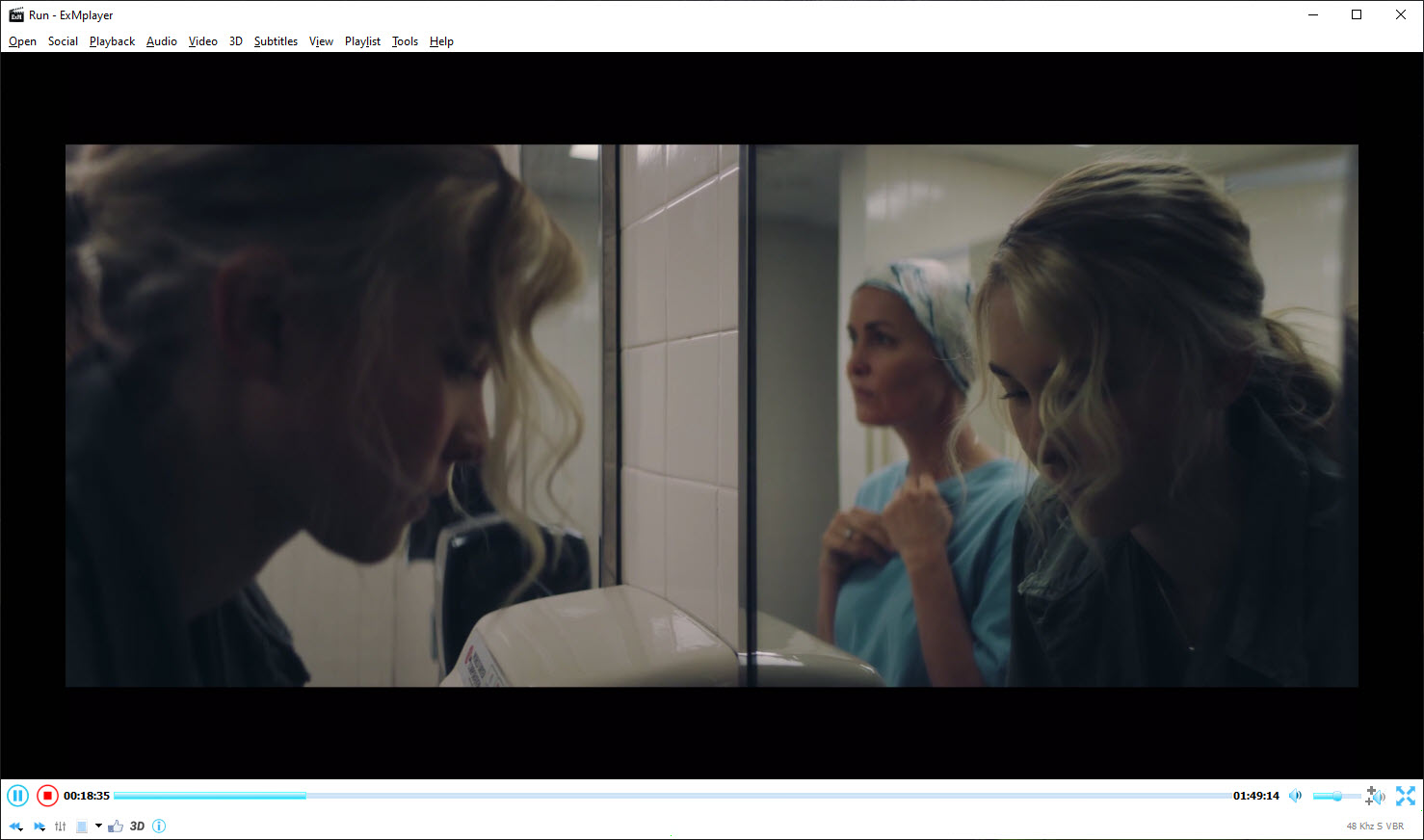
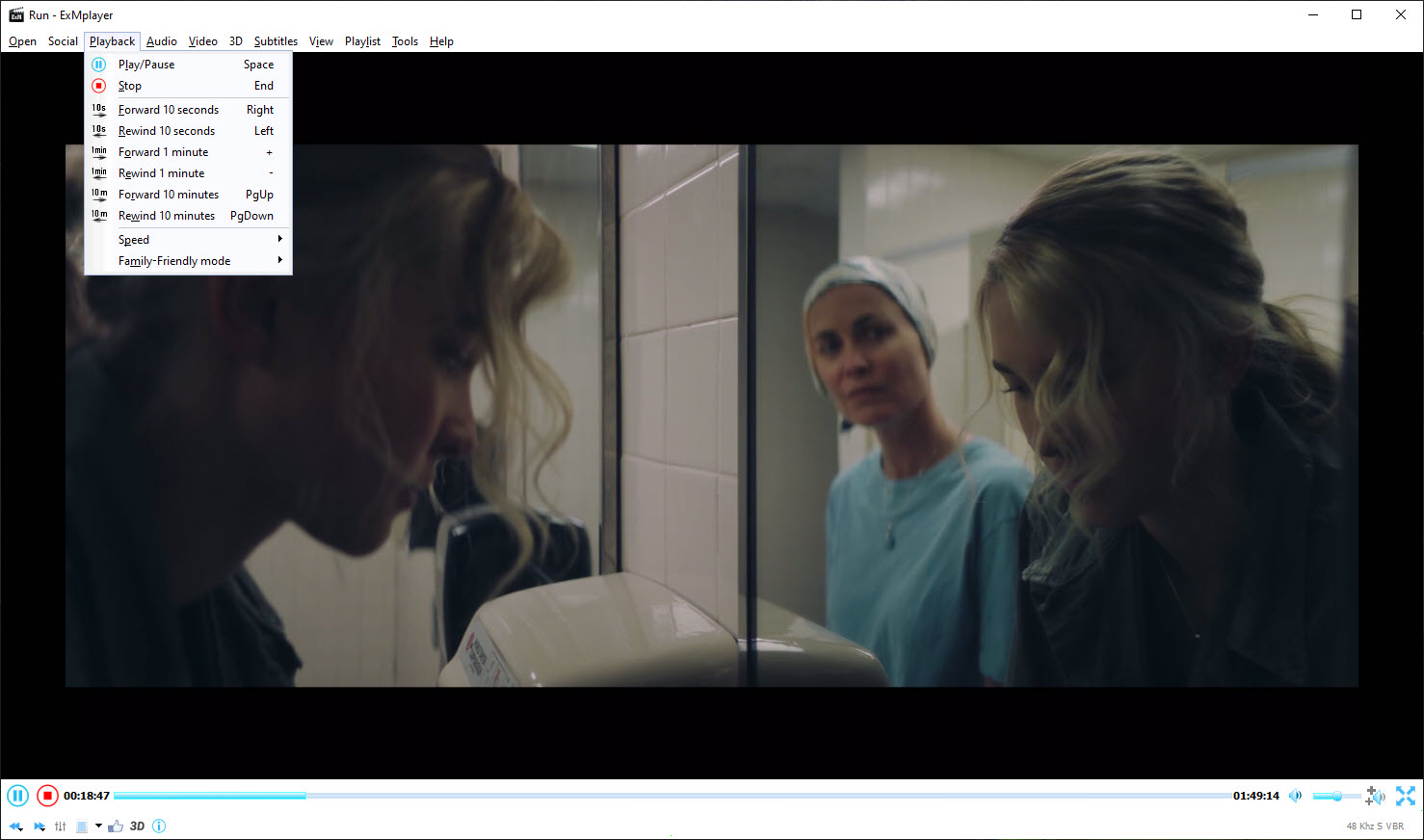
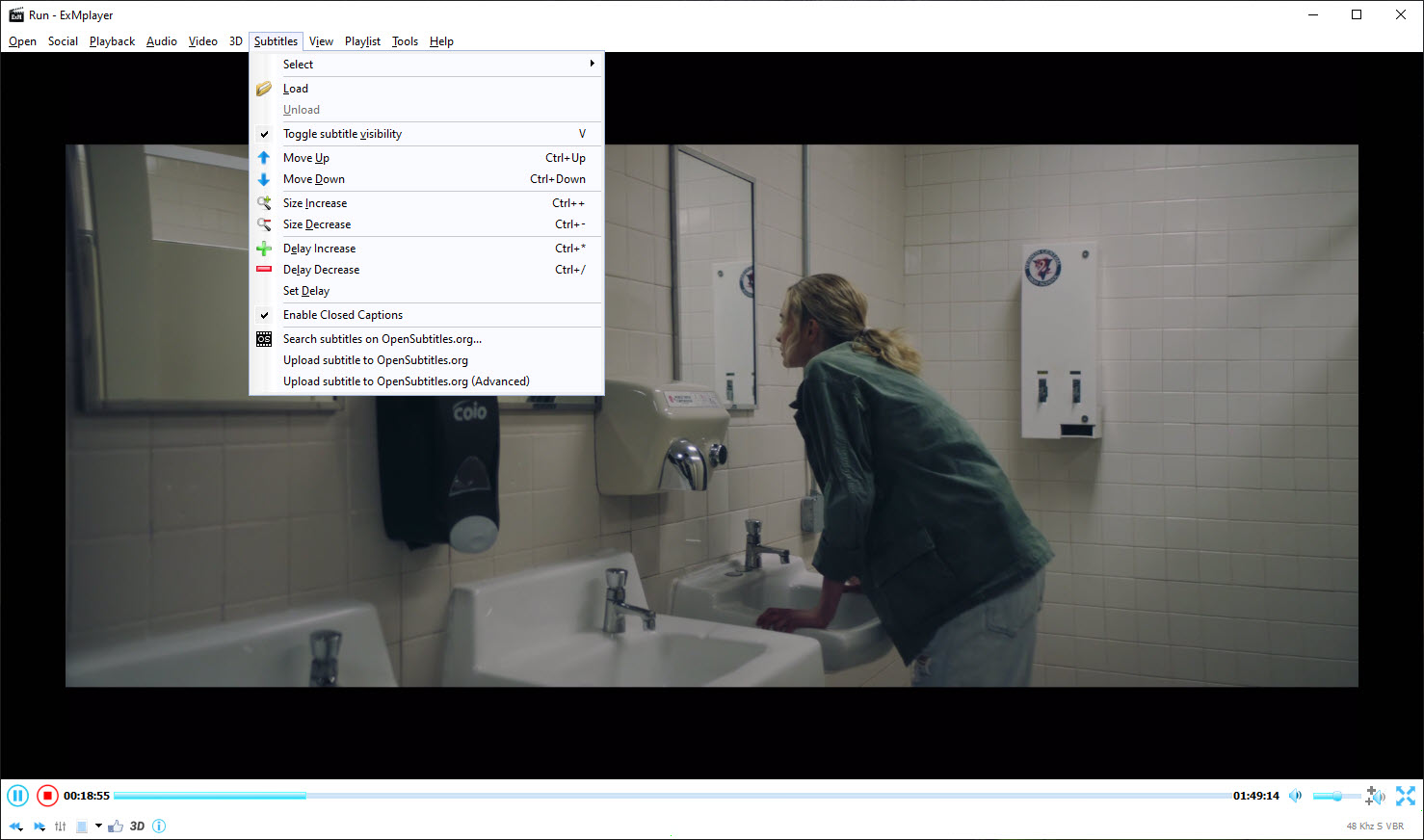
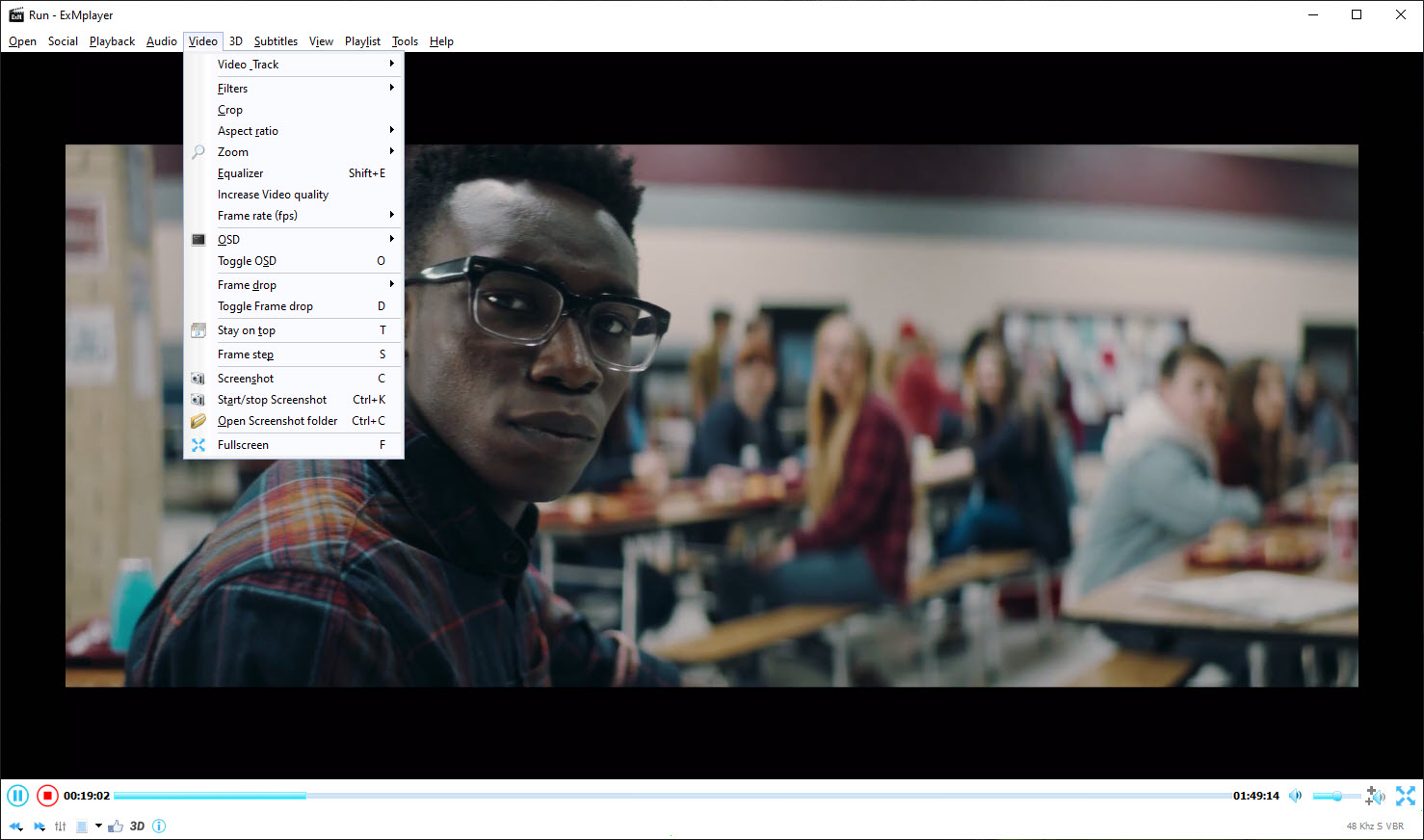
About ExMplayer
The Windows media player landscape has consolidated around a few names that most people know, VLC Media Player for the universal “plays everything” reputation, PotPlayer for the feature-heavy experience, and a long tail of less-known projects that exist for specific reasons.
ExMplayer belongs to the long tail and earns its place there with one specific feature that almost nothing else in the category offers cleanly, thumbnail seeking on the timeline.
The application is a Qt-based graphical front-end for MPlayer, with MPV as a supported backend in later builds. It does not decode video itself, the actual playback work is done by the engine underneath, and the GUI’s job is to expose that engine’s capabilities through a usable interface.
This is the same architectural pattern that SMPlayer uses, and the two projects share the basic idea while diverging on which features they emphasize and how the interface presents them.
The thumbnail seek bar that justifies the install
Hover the mouse over the timeline and a small thumbnail preview appears, showing the frame at that timestamp. Move the mouse along the timeline and the thumbnail updates continuously, giving you a visual scrub of the entire video without committing to a seek. Click and the playback jumps to that point.
This sounds minor until you actually need it. Finding a specific scene in a long video, comparing two moments to pick the right one, locating where a song starts in a concert recording, scanning through a tutorial to find the step you need, all of these become noticeably faster when the timeline shows what is at each point rather than requiring you to seek-and-check-and-seek-again.
Most players show only a timestamp on hover, a few show a low-resolution preview, and very few do it as smoothly as this application does.
The thumbnails are generated on-demand from the video, which means they reflect the actual content rather than a separate index that might be stale. The smoothness depends on the source format, files that are easy to seek in (most consumer codecs at modest bitrates) produce essentially instant previews, harder cases like long-GOP H.265 streams or remuxes with broken indexes show some lag while the engine generates the thumbnail.
What you actually get from the MPlayer engine underneath
Choosing MPlayer (or MPV Player as the backend) determines what the application can play. Both engines support the same broad set of formats through libavcodec, the same library that powers most open-source video tools. In practice, this means almost any video or audio file you encounter on a typical PC plays correctly, the long tail of unusual formats is also covered, and the small handful of cases that do not work usually involve broken or partial files rather than legitimate format limits.
The engine also brings a set of audio and video filters that the application exposes through GUI controls. Deinterlacing for old DVD rips, denoising for low-quality captures, sharpening, brightness and contrast adjustment, gamma correction, hue and saturation tweaks, all available through sliders rather than command-line flags.
Audio filters include a 10-band equalizer, volume amplification beyond the default 100% for quiet sources, channel manipulation, and normalization.
The video output backend is selectable. DirectX, OpenGL, and other rendering options are picked from a dropdown, which matters when one backend produces tearing on your particular hardware and another does not.
Audio output backends similarly, you can route through DirectSound, WASAPI, or the engine’s other supported audio APIs depending on what works best on your system. This level of access is genuinely useful for users who have hit rendering quirks in other players and want to try alternatives.
Subtitle handling that respects what the format intended
Subtitle support is one of the areas where the MPlayer-based engines shine. ASS and SSA subtitle formats, which carry styling information including font, color, position, and animation, are rendered with proper respect for the styling rather than being flattened to plain text. Anime fan subs with elaborate karaoke effects, sign translations positioned over the original text, and similar production-quality subtitle work all display correctly.
External subtitle files in the same folder as the video are picked up automatically. Multiple subtitle tracks embedded in container formats like MKV are accessible through a track-switching menu.
Encoding can be set manually when auto-detection guesses wrong for older subtitle files in regional code pages. Subtitle delay can be adjusted on the fly when sync is off, in increments small enough to nail a tricky case rather than just nudging it in seconds.
For containers with multiple audio tracks, the same switching menu lets you cycle between them, useful for files with director’s commentary or multi-language audio.
The conversion and extraction tools nobody mentions
This is the part of the application that surprises users coming from pure playback tools. Beyond playing files, the application exposes MPlayer’s MEncoder companion (and equivalent MPV/ffmpeg integrations) for several conversion and extraction tasks. You can pull the audio track out of a video as a separate file, save a sequence of frames as images, extract a clip from a larger file by timecode range, or transcode between formats using preset profiles.
None of this is full-featured video editing, and a dedicated tool like a transcoder or a real editor will do any of these tasks with more control. But for the common case of “I just need the audio from this music video as an MP3” or “I want to grab the first thirty seconds of this clip as a separate file,” opening a player you already have and doing the task there is faster than launching a different application. The conversion options are accessible from menus inside the player rather than buried under preferences, which is the right place for utility features.
The interface, which is the divisive part
The UI is functional rather than polished. The visual style is the kind that long-running open-source Qt projects accumulate, dense, traditional, with menus and toolbars rather than the streamlined fullscreen-first design of newer players. Compared to GOM Player or KMPlayer, which lean toward a more consumer-friendly look, this application looks like a tool designed by someone who wanted access to every option rather than a sleek experience.
For users who want a clean fullscreen experience with minimal chrome, this is the wrong fit. For users who actually want the menu bar with every filter and option visible, the interface is exactly what they want.
People bounce off this player in the first thirty seconds because they expected a modern look and got an older one, others stay for years because the older look exposes the controls they actually use.
Configuration is available for almost every aspect of the application, hotkeys, panel visibility, default filter settings, on-screen display behavior, language, and so on. The settings dialog is dense and rewards reading rather than browsing. The defaults are reasonable for most use cases, and tweaking is optional rather than necessary.
Where it stops short
The application is not trying to be a media center. There is no library management, no metadata fetching for movies and TV shows, no posters or fanart, no integration with online services. For users who want their media library presented with cover art and organized by category, a media center like Kodi covers that ground completely and this player does not try to.
Network streaming is supported in the basic sense, you can open a URL and play it if MPlayer supports the protocol, but there is no integrated browser for streaming services, no plugins for popular content sites, no built-in support for the kind of streaming-aggregation that some other players have added. The application is a file player with online URL support, not a streaming hub.
DVD and Blu-ray menu navigation works for unencrypted discs through the underlying engine. Encrypted commercial Blu-rays require external libraries that the application does not bundle, which is the same situation as most open-source players. For users with physical disc collections, this is a real consideration, the player handles open media well and commercial encrypted discs need additional setup.
Conclusion
ExMplayer is the right tool for users who want MPlayer’s capabilities with a real GUI front-end and who specifically value being able to see what is at each point in a video before seeking to it. The thumbnail seek feature is the practical differentiator, and for users who deal with long videos regularly, the feature is genuinely useful enough to justify keeping the application around even alongside another player for daily use.
It is not the right tool for users who want a clean modern interface, a media library, streaming service integration, or a polished consumer experience. For those use cases the bigger names in the category offer more, and trying to push this application into roles it does not target produces frustration.
The application is a desktop file player with a useful trick that most of its competitors do not match, and as long as the expectations match what it actually is, it works well for the audience that finds the trick valuable.
Pros & Cons
- Thumbnail seek bar provides a visual preview of timeline positions, a feature most players lack
- MPlayer/MPV backend supports almost any format through libavcodec without external codec packs
- Audio and video filter chain accessible through GUI controls rather than command-line flags
- Video and audio output backends are selectable to work around hardware-specific rendering quirks
- ASS and SSA subtitle styling is rendered properly, including positioning and animation effects
- Built-in conversion and extraction tools handle common audio/video tasks without leaving the player
- Small footprint, no codec packs to install, runs on modest hardware
- Interface style is dense and dated compared to newer players
- Smaller community and slower development pace than VLC or PotPlayer
- No library management, metadata fetching, or media-center features
- Streaming service integration is absent, the application is file-and-URL based only
- Encrypted commercial Blu-ray playback requires external libraries not bundled with the install
- The settings dialog is dense, the configurability is genuine but the learning curve is real
Frequently asked questions
The thumbnail seeking feature is the central distinguisher. Hover over the timeline and a small preview of that frame appears, updated continuously as you move along the timeline. Most MPlayer-based players show only a timestamp, this application shows the actual frame. The other features overlap significantly with SMPlayer and similar front-ends, the seek experience is the practical reason to choose this specific one.
Codecs are built into the MPlayer/MPV engine through libavcodec, which is the same library most open-source video tools use. No external codec packs are needed for any common format, and the long tail of unusual formats is also supported. Encrypted commercial Blu-ray is the main exception, requiring additional libraries that the application does not bundle.
Yes, playback speed is adjustable through hotkeys or menu options, with the option to maintain pitch on audio so dialogue stays understandable at non-standard speeds. The speed range goes well above and below 1x, useful for both speed-listening to lectures and slow-motion review of action.
External subtitle files in the same folder are picked up automatically. Embedded subtitle tracks in containers like MKV are accessible through a track menu. ASS and SSA subtitles render with their styling intact, including font, color, position, and animation. Subtitle delay can be adjusted on the fly when timing is off, and encoding can be set manually for older files in regional code pages.
Yes. The application exposes conversion and extraction tools through its menus, including audio extraction, clip extraction by timecode range, frame sequence export, and basic format transcoding. These are not full video editing features but cover the common quick-task use cases without requiring a separate application.
Yes, through the underlying engine's hardware decode support. The application exposes the video output backend selection in its preferences, and switching backends sometimes resolves hardware acceleration issues on specific systems. The available options depend on what the engine and your graphics drivers support.
The interface follows the traditional desktop application style with menus, toolbars, and dense control panels rather than the streamlined fullscreen-first design of newer players. This is a deliberate choice that exposes more controls visibly at the cost of looking less modern. Users who prefer a clean fullscreen experience find the style overwhelming, users who actually use the controls find them more accessible than buried inside settings dialogs.


