

CORNPlayer
About CORNPlayer
An MKV file that will not open, a codec pack that installs half a dozen things you never asked for, and a player window cluttered with buttons you never press. CORNPlayer takes aim at all three. It uses the LAV filter set as its playback engine, which means the container and codec coverage arrives with the program rather than as a separate installation, and it hides its own controls until you go looking for them.
The result is a player that shows you the picture and very little else. Move the pointer to the bottom of the window and the transport controls appear. Move it away and they go. A playlist panel can be switched on when you want one and stays absent when you do not.
Where it sits against VLC Media Player is roughly this. Both play everything, both need nothing installed alongside them, and this one trades VLC’s enormous menu tree for a quieter surface with a handful of unexpected extras behind it.
Playback without a codec pack
The LAV back end is the whole foundation, and it matters because that engine sits underneath a good number of respected players. Anything the underlying framework can demux and decode plays here, which covers MKV and MP4 as a matter of course and extends to the awkward older containers that trip up simpler players.
Practically, that means the codec packs you would otherwise be installing become unnecessary, along with the system-wide filter conflicts they can introduce.
Nothing is registered globally, so nothing else on the machine changes behaviour because you installed a player.
Controls that get out of the way
The auto-hiding interface is the trait people either love or find infuriating. During playback the window is picture and nothing more, which on a second monitor or a full-screen film is exactly right.
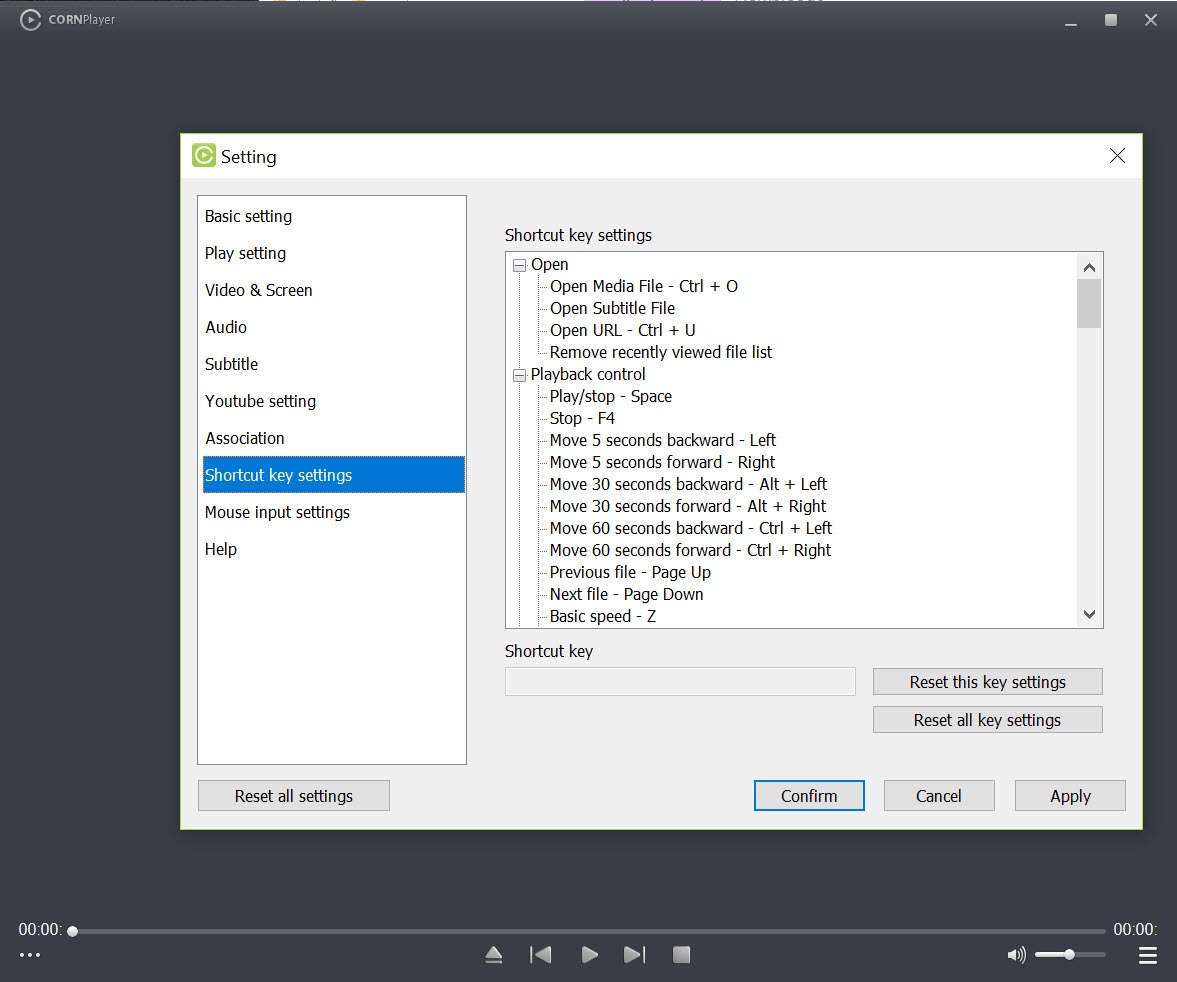
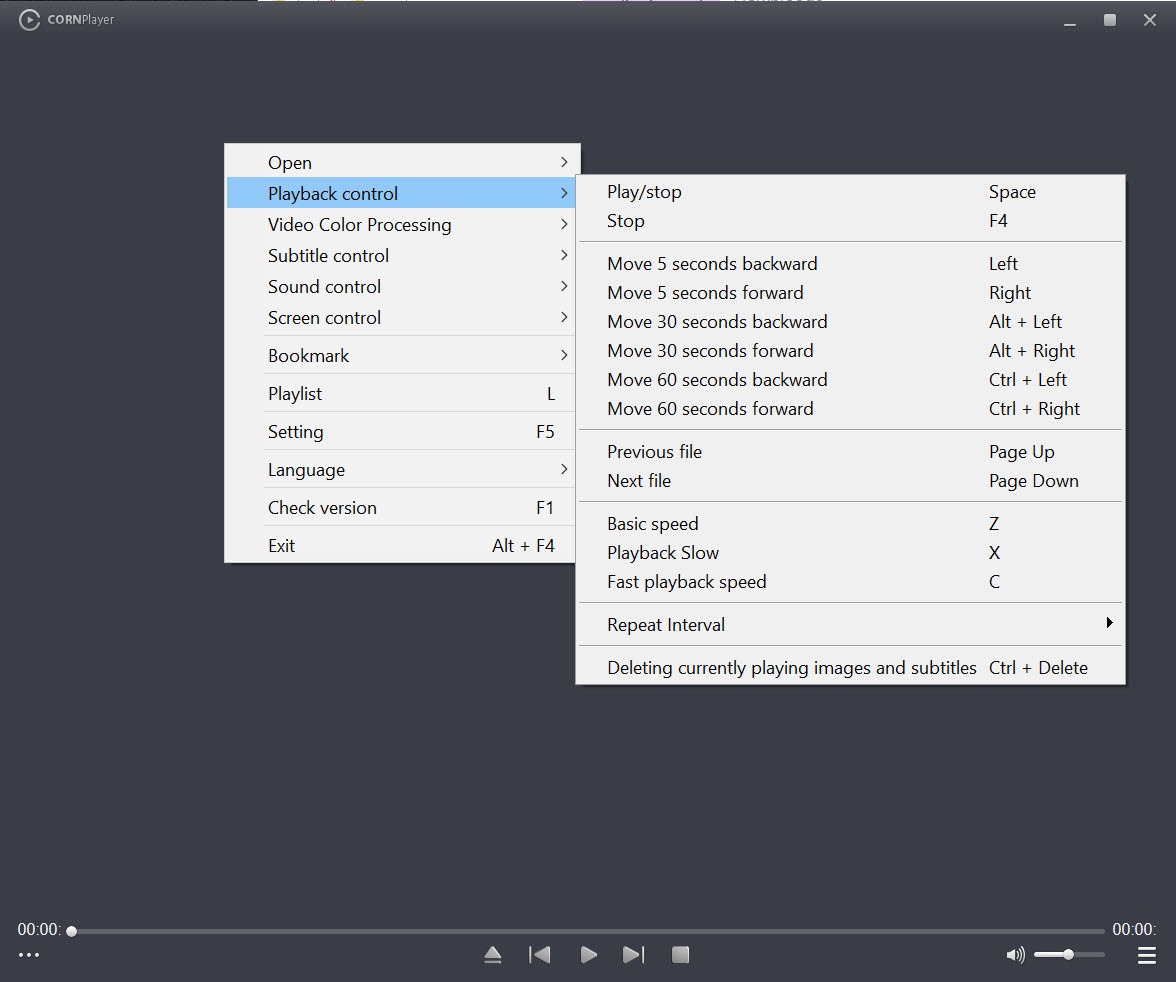
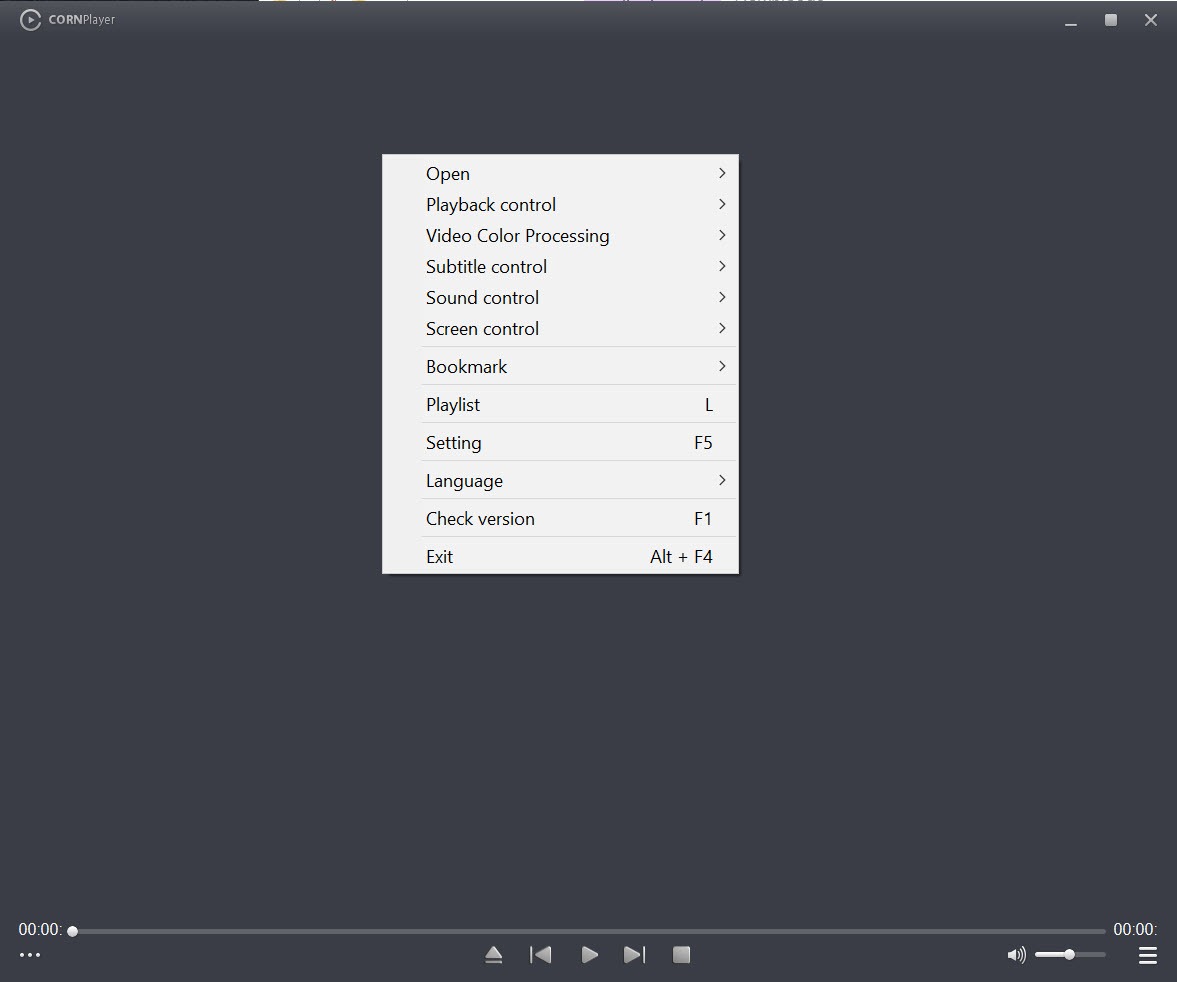
The drawback is discoverability. Nothing indicates which regions respond to the pointer, so the first ten minutes involve waving the mouse around finding out where things live. Once learned it becomes fast, and hotkeys cover the common actions so you can stop hunting altogether, but CORNPlayer makes no effort to teach you any of it.
Choosing your own decoders
This is the surprise. For a player with such a plain surface, CORNPlayer exposes the filter chain, letting you pick the audio decoder, the video decoder, the splitter and the subtitle filter individually. When one particular file plays with stuttering or wrong colours, being able to swap a decoder rather than reinstalling the program is a genuine advantage.
What is absent is anything past that point. There are no renderer choices, no shader support and no image post-processing to speak of, so if you tune output quality for a projector or care about scaling algorithms, PotPlayer goes considerably deeper.
Subtitles you can nudge
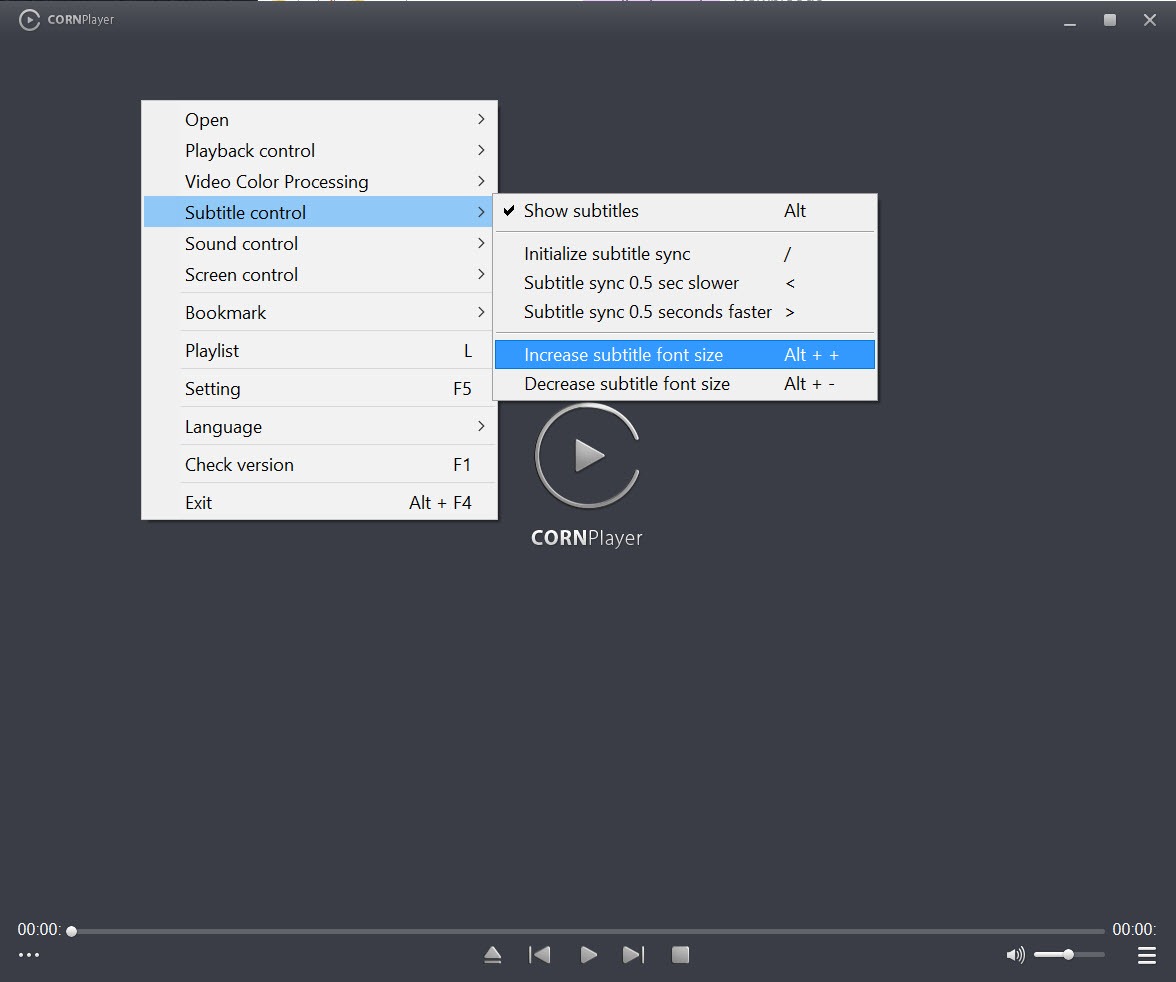
External subtitle files load by drag and drop, timing can be shifted while playing, and the styling is adjustable rather than fixed. You can also set a preferred audio language and a preferred subtitle language so multi-track files land on the right pair without intervention.
The limit is that a timing shift here is a playback offset rather than a change to the file. Fine for a subtitle that is uniformly early or late, useless for one that drifts progressively, and for that kind of repair Subtitle Edit is the tool that actually rewrites the timings.
The browser panel and the online side
Two features sit outside what a player normally does. A small browser pane lets you read something while a video runs in the same window, which is less silly than it sounds if you watch lectures or long interviews. And a dedicated music view shows album art alongside lyrics rather than presenting audio as a video window with nothing in it.
There is also an online video section built around one particular site, including grabbing content from it. Set expectations low. Anything that depends on a specific site’s page structure breaks whenever that site changes, and this is the part most likely to be non-functional the day you install the program.
Whether you are entitled to keep a given video is a question about that site’s terms rather than about this software.
Conclusion
CORNPlayer is aimed at anyone who wants broad format support and a window that stays out of the way, without the sprawling preferences of the established players. The decoder selection is a nice touch that suggests more thought than the plain interface implies, and the music view with lyrics is a small courtesy most players never bother with.
Treat the online extras as a bonus that may or may not function, and reach for something else if you tune renderers and scaling for a serious display setup. As a quiet local player that opens whatever you throw at it, CORNPlayer does the job with less noise than most.
Pros & Cons
- Format coverage comes from the LAV engine, so no codec pack is needed
- Auto-hiding controls leave nothing but the picture during playback
- Audio decoder, video decoder, splitter and subtitle filter are each selectable
- Subtitle timing shifts, restyling and preferred language settings all work during playback
- A music view with album art and lyrics replaces the empty window audio usually gets
- Optional browser pane allows reading alongside a running video
- Nothing indicates where the hidden control regions are, so the interface has to be discovered
- No renderer selection, shader support or image post-processing options
- Subtitle sync is a playback offset and cannot repair progressively drifting timings
- The online video section depends on one site's structure and breaks when that changes
- Configuration is shallower than the established players once you go past decoder choice
Frequently asked questions
No. Format handling comes from the bundled LAV filter set, so containers and codecs are covered by the program itself and nothing is registered system-wide for other applications to inherit.
Because that is the design. Controls appear when the pointer enters the region they occupy and hide again when it leaves, which keeps the window clear during playback. Learning the hotkeys is the faster route once the novelty wears off.
No. It shifts the timing during playback, which handles a subtitle that is consistently early or late, but the file itself is untouched. Drifting timings need a dedicated subtitle editor.
Almost certainly because the site it targets changed how its pages are built. Features that depend on scraping a specific service age badly, and the local playback side is unaffected either way.


